Botanicals · CAS 989-51-5
Green Tea EGCG
INCI: Epigallocatechin Gallate
Green Tea EGCG is the antioxidant polyphenol extract — a botanicals cosmetic ingredient (Epigallocatechin Gallate, CAS 989-51-5) supplied by RAWESS with a batch certificate of analysis on every lot. Key specification: EGCG (HPLC) ≥ 98.0%. Minimum order quantity is 5 kg with a 5-7 days (stock) lead time; shipment is FOB · CIF · DDP from Camellia sinensis · Zhejiang. Typical use levels: Antioxidant serums 0.05-0.3% · Sebum-control toners · Scalp anti-aging. Certification: ISO 22716 GMP · ISO 9001 · ECOCERT COSMOS-ready · EU MRL compliant. Standard packaging: 5kg foil bag, N2, dark; storage ≤ 20°C; shelf life 24 months, N2-flushed.
| INCI name | Epigallocatechin Gallate |
|---|---|
| CAS number | 989-51-5 |
| Product family | Botanicals |
| Appearance | White to pale pink powder |
| EGCG (HPLC) | ≥ 98.0% |
| MOQ | 5 kg |
| Lead time | 5-7 days (stock) |
| Packaging | 5kg foil bag, N2, dark |
| Storage | ≤ 20°C |
| Origin | Camellia sinensis · Zhejiang |
| HS code | HS 1302.19 |
| Applications | Antioxidant serums 0.05-0.3% · Sebum-control toners · Scalp anti-aging |
| Shelf life | 24 months, N2-flushed |
Why this grade
EGCG is the most requested and most degraded antioxidant on the market — catechin content collapses in the presence of light, oxygen and mediocre extraction. Ours assays at 98% and ships nitrogen-flushed with a tested stability curve.
HPLC verification runs on every batch, with the full catechin fingerprint (EGC, EC, ECG) reported alongside. Use at 0.05-0.3% for antioxidant and sebum claims; pair with our rosemary CO2 extract for formulation-protection synergy.
Key benefits
- 98% EGCG by HPLC with full catechin fingerprint on the COA
- Nitrogen-flushed packaging with 24-month stability data
- Low-temperature extraction preserves gallate integrity
- Pairs with rosemary CO2 extract for system-wide oxidation defense
Technical specification
Ingredient profile
Epigallocatechin gallate — EGCG — is the most studied catechin in green tea and the molecule behind its antioxidant and soothing reputation in skincare. Our extract is standardized to 98%-plus EGCG by HPLC, with total catechins reported per lot so the antioxidant profile is transparent, not decorative.
The leaf is grown and processed in Zhejiang with controlled oxidation, protecting the catechins that otherwise degrade between harvest and drum. Typical dosing is 0.1–0.5% in antioxidant serums, eye gels and after-sun formulations.
Polyphenols are oxidation-sensitive in emulsion, so the technical data sheet includes pH and packaging guidance to keep activity through shelf life. The material is vegan and carries a full residual-solvent and micro panel on the batch COA.
Related: our full botanicals range · full catalog
B2B supply terms
Applications
Sample & quote
100g evaluation sample with mini-COA ships within 48 hours for qualified buyers. Volume quote with tier pricing returns in one business day — with the batch COA attached, not promised.
Same family
Related ingredients.
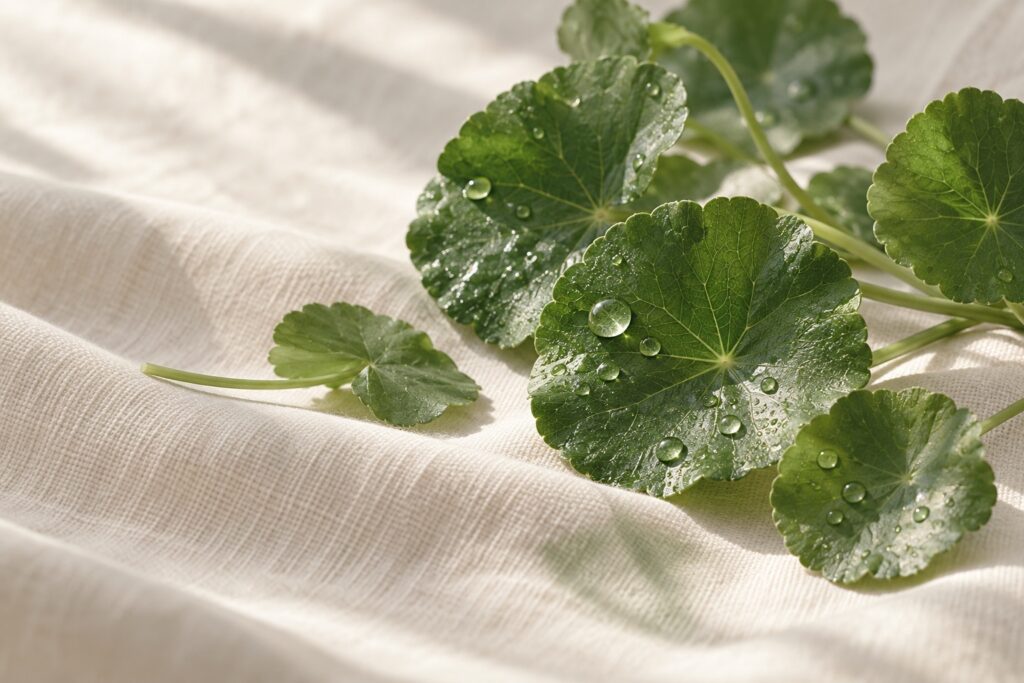 In StockBotanicals
Centella Asiatica 90%
Centella Asiatica Extract · CAS 84696-21-9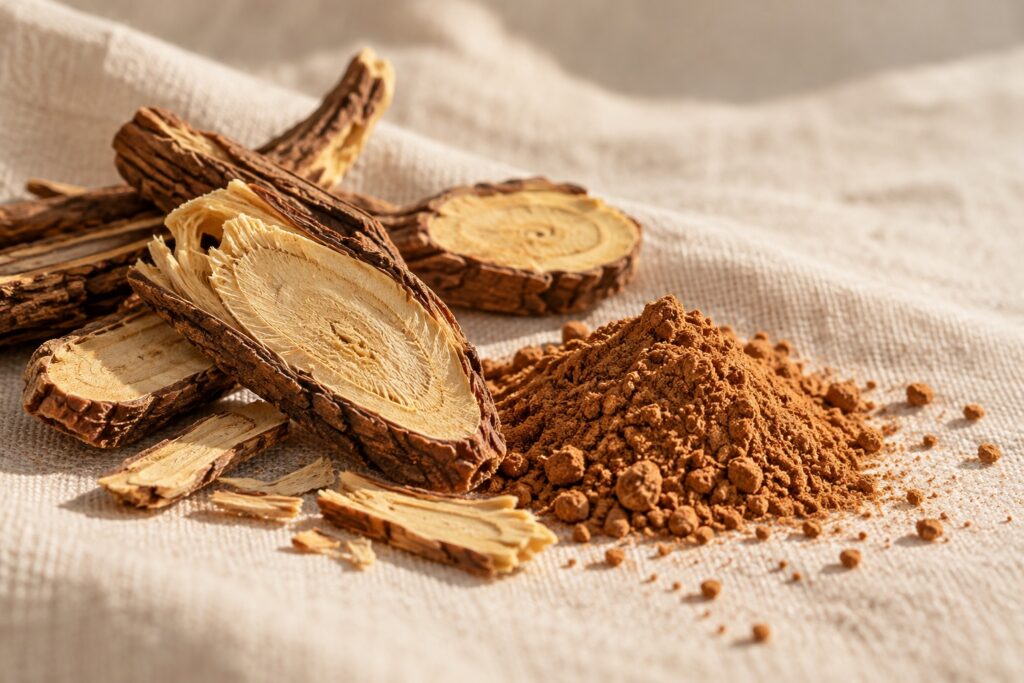 In StockBotanicals
Licorice Glabridin 40%
Glycyrrhiza Glabra Root Extract · CAS 59870-77-6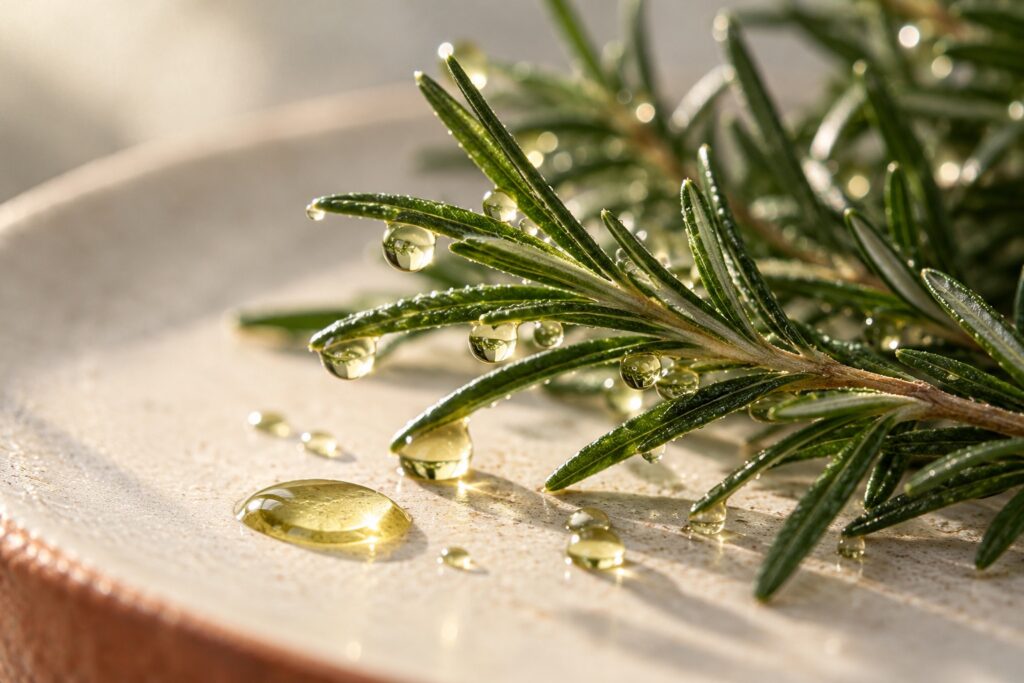 In StockBotanicals